

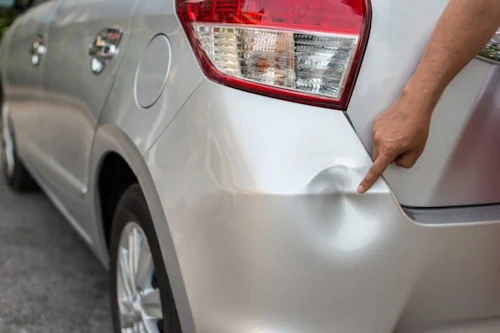
Dents are an all-too-common inconvenience for car owners, but with the right approach and a bit of patience, you can restore your vehicle’s appearance without spending a fortune at the body shop. This guide will walk you through several DIY methods to fix dents, focusing on techniques that preserve your car's original finish.
Step 1: Assess the Dent
Before beginning, carefully examine the dent to determine its size, shape, and location. While small and shallow dents can often be corrected with DIY methods, larger or deeper ones might require professional repair.
Step 2: Gather the Necessary Tools
- A suction cup dent puller or heavy-duty plunger
- A hair dryer or heat gun
- A can of compressed air or cold water (for temperature contrast)
- Basic tools and a flashlight (to inspect from behind, if accessible)
Step 3: Clean and Prepare the Area
Wash the dented area thoroughly with soap and water to remove any dirt or debris that may scratch your paint.
Step 4: Apply Heat
Use a hair dryer or heat gun to gently warm the dent and its surrounding area. This softens the metal, making it more pliable for reshaping. Be careful not to overheat, as excessive heat can damage the paint.
Step 5: Use a Suction Device
Place a suction cup dent puller or a moistened plunger on the center of the dent and apply steady pressure. Often, this gentle pull is enough to pop the dent back into place.
Step 6: Alternate Between Heat and Cold
If the dent remains stubborn, try alternating between heat and cold treatments. After warming the area, apply cold water or use compressed air held upside down. The rapid temperature change can encourage the metal to contract back to its original shape.
Step 7: Work from Behind
For areas where the backside of the panel is accessible, gently push the dent out from behind using a soft tool or your hand protected by a cloth.
Additional Tips
- Apply gradual pressure to avoid further damaging the vehicle.
- Work in a controlled environment, like a garage, to minimize temperature fluctuations.
- If the dent is severe or has compromised the paint, consider consulting a professional.
With practice and patience, these DIY techniques can help restore your car’s appearance without the need for costly professional repairs.