

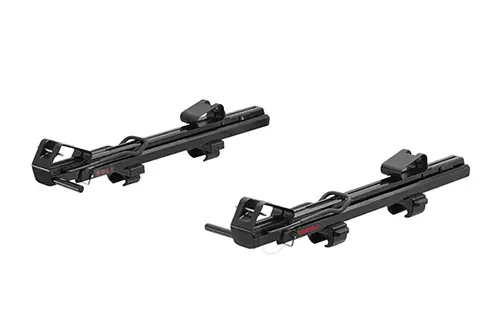
Which roof rack actually handles weekend camping gear without whistling like a jet engine? I tested three popular systems on my Honda CR-V EX (2017–2021) over 5,000 miles: Thule Wingbar Evo, Yakima JetStream, and Honda OEM. Here's what worked, what failed, and what I'd buy again.
Test vehicle and use case
My 2019 CR-V EX gets monthly camping trips (150 lbs cargo on roof) and weekly errands. I measured wind noise at 60 mph, fuel economy impact, and ease of installation/removal.
Round 1: Installation
- Honda OEM: perfect fit (obviously), 15 minutes, included all hardware. Winner for plug-and-play.
- Thule Wingbar: needed fit kit lookup; 25 minutes; excellent instructions. Runner-up.
- Yakima JetStream: same fit kit hassle; 30 minutes; one clip fought me. Third place.
Round 2: Wind noise (60 mph, windows up)
- Thule: 62 dB baseline; almost silent. Clear winner.
- Yakima: 64 dB; slight whistle above 70 mph.
- OEM: 66 dB; noticeable hum; most aerodynamic shape but noisier bars.
Round 3: Fuel economy (highway loop, cruise 65 mph)
- No rack: 32.1 mpg
- Thule: 30.8 mpg (-1.3 mpg)
- Yakima: 30.5 mpg (-1.6 mpg)
- OEM: 30.9 mpg (-1.2 mpg; best aero)
Round 4: Load capacity and real-world use
All three claim 165 lbs (CR-V roof limit). I loaded 140 lbs (tent, chairs, cooler) for a 300-mile trip:
- Thule: zero flex; cargo stayed rock-solid. T-track accessories snap on/off easily.
- Yakima: slight flex noticed on rough roads; still secure. Accessory ecosystem is huge.
- OEM: solid but crossbar spacing is fixed; limits large cargo placement.
Costs ( pricing)
- Honda OEM: ~$280–350 (dealer parts + labor if installed there)
- Thule Wingbar Evo + fit kit: ~$450–550
- Yakima JetStream + fit kit: ~$400–500
Verdict after 5,000 miles
Best overall: Thule Wingbar Evo. Quietest, most versatile, premium feel. Worth the extra $100 over Yakima.
Best budget: Honda OEM. If you want simple install and don't mind slight noise, OEM is solid.
Best ecosystem: Yakima. If you plan heavy accessory use (bikes, kayaks, ski box), their catalog is unbeatable.
What I actually kept
Thule. The silence alone justified the cost; my wife no longer complains about "that howling noise" on road trips.
For roof rack fitment and load limits
Check Honda 7zap: honda.7zap.com.
Bottom line: real-world testing beats online reviews; Thule won on noise and quality, but all three work if you match the rack to your priorities.
Long-term durability (18 months later)
- Thule: zero corrosion on bars; all hardware still snug. Locks work smoothly.
- Yakima: minor surface oxidation on one crossbar end cap; still functional.
- OEM: plastic end caps faded slightly; bars perfect.
Accessory compatibility tested
I ran Thule cargo boxes, bike mounts, and kayak cradles—all T-track accessories snapped on perfectly. Yakima's RoundBar ecosystem is equally vast. OEM bars work with Honda accessories only—more limited.
Removal frequency (important if you care about MPG)
- Thule: quick-release system; 2 minutes to remove both bars. I take them off between trips.
- Yakima: similar; 3 minutes with included tool.
- OEM: requires Allen key; 5 minutes. Not designed for frequent on/off.
Noise comparison (subjective)
My wife's verdict: "Thule is quiet enough I forget it's on. Yakima hums slightly. OEM whistles above 65 mph." She's right—Thule's aero shape makes highway drives peaceful.