

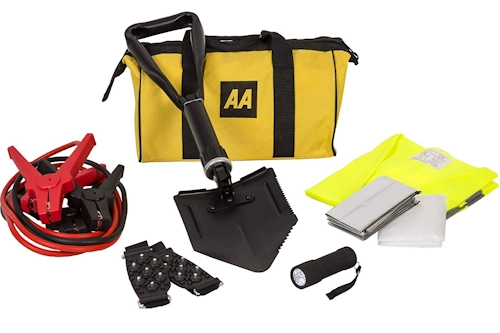
Planning a long drive in 2025 means more than filling the tank and downloading a playlist. New technologies, changing regulations and higher expectations for comfort and reliability have raised the bar for what counts as “essential.” Below is a carefully crafted checklist of car accessories every driver should consider taking on long trips, complete with selection advice so you can buy smart and pack light.
How to use this guide
Read the checklist section first to mark the items that apply to your vehicle and route. Then read the buying tips for each category to understand what features matter in practice. The guide suits drivers, DIY mechanics and auto-enthusiasts who like to be prepared without overpacking.
Quick printable checklist
- Safety & emergency kit
- Portable power & charging
- Navigation & communication
- Maintenance & basic repair tools
- Comfort & convenience items
- Protection, storage & paperwork
Essential Accessories Checklist (detailed)
1. Safety & Emergency
- First aid kit — compact kit with bandages, antiseptic wipes, adhesive tape, pain relief, and a thermal blanket. Choose a kit rated for at least 4–6 people or augment a small kit with personal medication.
- High-visibility vest and warning triangle — one reflective vest per occupant and at least one triangle. Look for vests that meet EN ISO 20471 (or local standard) and triangles with stable feet and reflective surface.
- Fire extinguisher — ABC-rated, vehicle-rated unit (0.5–2 kg). Mountable and with a visible pressure gauge. Check expiration dates before long trips.
- Emergency multi-tool — seatbelt cutter and glass breaker combined is invaluable if trapped. Keep it in an easy-to-reach location near the driver.
- Reflective roadside flares or LED beacons — safer and reusable alternatives to chemical flares. Look for waterproof and magnetic-base options for quick mounting.
2. Portable Power & Charging
- Portable jump starter (power bank with jump start) — compact lithium models that support multiple jump starts and include USB outputs. Choose units with at least 400–1000A peak current depending on engine size (petrol/diesel).
- 12V and USB chargers — dual-port USB-C PD chargers for fast charging phones, tablets and dashcams. Prefer chargers with overcurrent and temperature protection.
- AC inverter (optional) — if you need to run laptops or camera chargers. Pick pure sine wave inverters for sensitive electronics and size them for the wattage you plan to use.
- Spare battery pack (power bank) — high-capacity (≥20,000 mAh) with USB-C PD for modern devices. Lightweight options exist — consider one for each group of travelers.
3. Navigation & Communication
- Offline maps & mountable phone holder — download offline regions and use a robust magnetic or clamp mount. A hands-free mount reduces distraction fines and improves safety.
- Portable GPS unit (optional) — for remote routes with spotty cellular coverage. Look for lifetime map updates and spoken directions.
- Two-way radio / CB / personal locator — useful for convoy travel or remote areas. Consider an emergency satellite messenger for extreme routes.
4. Maintenance & Basic Repair Tools
- Compact tool kit — ratchet set, adjustable wrench, pliers, screwdrivers, duct tape and zip ties. Modular kits save space and tailor to common fixes.
- Tire repair kit & portable compressor — plug-patch kits for punctures and a 12V compressor with an auto shut-off. For travel in areas without service, a compressor plus a sealant can be the difference between staying and moving on.
- Spare bulb & fuse set — common lamp types and spare fuses matching your car’s ratings. Store them labeled in a small box.
- Tow strap and recovery gear — rated for your vehicle’s gross weight, with soft shackles or rated hooks, and basic gloves to protect hands during recovery.
- Basic fluids — 1L of engine oil (your car grade), 1L coolant compatible with your vehicle, a small bottle of brake fluid if accessible, and windshield washer fluid. Don’t forget a funnel.
5. Protection & Storage
- Car cover or trunk organizer — compression-style organizers for tidy packing; a lightweight cover protects against dust when parked long-term.
- Seat/back protectors — useful for pets and muddy gear. Waterproof and easy-to-clean materials are best.
- Cargo nets & tie-down straps — secure loose luggage to prevent movement in sudden braking.
6. Comfort & Convenience
- Collapsible cooler — keeps drinks and medicine cool; energy-efficient coolers with USB power are convenient.
- Portable camping chairs & shade — foldable chairs + a compact sunshade or awning for long stops.
- Blankets and travel pillows — thermal blankets for emergencies and comfortable travel pillows for passengers.
- Wet wipes, hand sanitizer & trash bags — hygiene essentials and a tidy trunk.
7. Documentation & Miscellaneous
- Paper copies of registration, insurance and roadside assistance details — digital copies are convenient but paper backups matter in digital outages.
- Pen, permanent marker and duct tape — for ad hoc labels, temporary repairs or marking gear.
- Local currency and a backup card — some remote areas still prefer cash.
Buying tips: how to choose smart (category-by-category)
First aid & safety
Choose first aid kits with clear labeling, replaceable components and sealed packaging. Verify expiration dates on sterile items. For fire extinguishers prefer units with a pressure gauge and mounting bracket; an expired-but-full extinguisher can still be useless or worse.
Portable jump starter
Go for a jump starter with safety protections (reverse polarity, overcurrent) and enough cranking amps for your engine type. If you drive diesel or a V8, pick a higher amperage unit. Units that double as power banks with USB-C PD are more versatile.
Compressors and tire tools
Small compressors vary wildly. Prioritize models that can reach at least 30–35 PSI quickly and include an automatic stop or gauge. A combined compressor and inflator with LED light and multiple nozzles covers most needs.
Electronics & chargers
USB-C PD (Power Delivery) is now the practical standard; choose chargers that support PD 60W+ for laptops and faster charging for phones. Avoid cheap clones lacking over-temperature protection.
Toolkits
Modular kits with metric and imperial bits are ideal for mixed-fleet travel. Prefer chrome-vanadium steel tools which offer good strength-to-weight balance. Keep a small set of commonly used spanners and Torx bits for modern fasteners.
Packing strategy: what to put where
- Easy access (glovebox/under-seat): registration, basic first aid, high-visibility vest, seatbelt cutter, small flashlight.
- Driver’s reach (console): phone mount, spare charging cable, pen, small power bank.
- Trunk (organized): toolbox, compressor, spare fluids, tow strap, triangle and flares. Use labeled boxes or trunk organizers to avoid digging during roadside stops.
- Roof box (if used): lightweight bulky gear like chairs and blankets — keep weight low and balanced.
Electric vehicles (EVs): extra considerations
- Portable EV charger (if compatible) — a Level 2 portable charger with adapters for local outlets can be a lifesaver where public chargers are busy.
- Charging app accounts and RFID cards — pre-register with major charging networks along your route to reduce delays.
- EV-specific tow/recovery plan — consult your manufacturer for EV towing recommendations to avoid battery or drivetrain damage.
Seasonal tips
Summer: sunshades, extra water and battery-safe coolers. Winter: thermal blankets, shovel, traction mats, winter-grade coolant and gloves. In wet seasons, waterproof storage and quick-dry gear matter most.
Checklist before departure
- Check tire pressure and tread depth; carry a pressure gauge.
- Confirm all lights and indicators work; pack spare bulbs and fuses.
- Top up fluids (oil, coolant, washer fluid) and pack spares.
- Test jump starter and compressor; ensure power banks are charged.
- Scan route for service stations and emergency contacts; download offline maps.
Packing light: avoid over-preparing
Being well-prepared doesn’t mean taking everything. Prioritize items with multi-functionality (e.g., jump-starter + power bank + flashlight). Choose compact, rated gear over bulkier, lower-quality versions. Label everything and perform a mock drill so everyone in the car knows where critical items are stored.
Final notes — safety, legality and common sense
Check local laws about mandatory items (some countries require a warning triangle and vest, others require breathalyzers or first-aid kits). Ensure any modifications (like roof-racks or lighting) are installed to local regulations. Replace perishable kit items annually and service your emergency devices (extinguishers, jump starters) according to manufacturer recommendations.
Ready to go
With the right combination of safety gear, power, navigation and basic repair tools, you can turn unexpected delays into manageable interruptions and focus on enjoying the trip. This 2025 checklist balances modern electronics with time-tested roadside essentials — pack smart, drive safely, and update your kit before every major journey.