

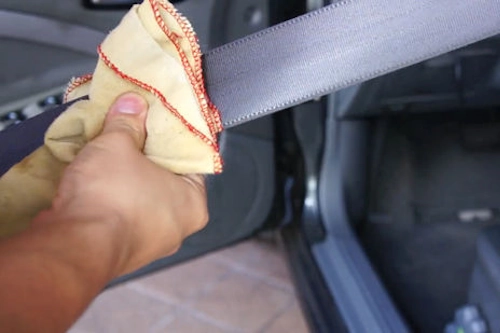
As automotive enthusiasts, we obsess over paint correction, leather conditioning, and engine bay detailing – yet seat belt maintenance remains one of the most neglected aspects of car care. These vital safety components endure daily abuse: skin oils, coffee spills, sunscreen residue, and atmospheric grime accumulate in their fibers, leading to premature wear, foul odors, and compromised performance. Unlike conventional upholstery, seat belts demand specialized cleaning techniques to preserve their structural integrity while restoring their appearance. Drawing on three decades of automotive journalism and engineering insights, this guide delivers professional-grade methods to transform your seat belts from grimy straps to like-new condition.
Why Cleaning Seat Belts Demands Expertise
Modern seat belts consist of high-tensile polyester webbing engineered to withstand 3,000–6,000 pounds of force during collisions. Their tight weave traps contaminants deep within fibers, while retractor mechanisms house sensitive springs and sensors. Traditional cleaning approaches risk three critical failures:
- Chemical degradation: Harsh solvents like bleach or ammonia weaken polyester fibers at molecular level
- Residue accumulation: Leftover cleaners attract dirt and jam retractors
- Mold colonization: Moisture trapped in the reel assembly creates biohazards
Industry studies reveal that improperly maintained seat belts may experience up to 20% reduction in tensile strength over five years. Beyond safety implications, neglected belts transfer grime onto clothing and emit musty odors that permeate cabin air systems.
Professional-Grade Tools & Preparations
Essential Toolkit
- Retractor Locking Clamps: Heavy-duty spring clamps or plastic retractor locks to immobilize belts (avoid metal teeth that damage fibers)
- pH-Balanced Cleaners: Opt for automotive-specific interior cleaners (e.g., Simoniz Upholstery Cleaner) or dilute Castile soap (3:1 water-to-soap ratio)
- Microfiber Brushes: Soft-bristled detailing brushes (0.3mm filament density) for gentle agitation
- Microfiber Towels: Korean-style 500+ GSM towels for lint-free drying
- Steam Cleaner (Optional): Dry vapor units with upholstery attachments (> 250°F for sanitization)
Pre-Cleaning Protocol
- Test Cleaners: Apply solutions to inconspicuous belt sections and check for discoloration after 10 minutes
- Unreel Completely: Extend belts until retractor locks – typically indicated by audible "click"
- Secure Mechanism: Clamp webbing 2" below retractor housing to prevent slippage
- Dry-Brush Debris: Use soft brush in downward strokes to dislodge particulate matter
Chemical Cleaning Methodology (Conventional Approach)
- Apply Cleaner: Mist solution onto belt surface without oversaturation – fabric should appear damp, not dripping
- Agitate Fibers: Brush parallel to weave direction (top-to-bottom only) using light pressure – circular motions fray fibers
- Dwell Time: Allow 5–8 minutes for enzymatic cleaners to break down organic residues
- Containment Removal: Wrap microfiber towel around belt and squeeze while pulling downward to extract contaminants
Advanced Stain Solutions
- Coffee/Blood: Hydrogen peroxide (3%) applied via cotton swab, followed by cold-water rinse
- Mold Colonies: Baking soda paste (baking soda + distilled water) scrubbed into affected areas, then treated with Concrobium Mold Control spray
- Grease Stains: Cornstarch absorbent left for 20 minutes before mechanical removal
Steam Cleaning Protocol (Professional Restoration)
For severe contamination or allergen-sensitive occupants, dry vapor steam cleaning provides hospital-grade sanitization without chemicals:
- Pre-treat belts with distilled water mist
- Using triangular upholstery tool, apply steam at 30-degree angle in 6" sections
- Immediately wipe with microfiber-wrapped extraction head
- Maintain 1" nozzle distance to prevent fiber shrinkage
Steam cleaners like Fortador Volt Mini generate temperatures exceeding 320°F (160°C), eliminating 99.8% of bacteria while dissolving embedded grime through thermal shock.
The Critical Drying Phase
Improper drying causes retractor corrosion and microbial growth. Implement this three-stage process:
- Blotting: Remove surface moisture with absorbent microfiber towels
- Air Circulation: Position fans to create cross-ventilation across belts (2–3 hours)
- Final Inspection: Verify complete dryness using moisture meter (< 15% humidity reading)
Maintenance Regimen & Protection
- Bi-Weekly: Wipe with damp microfiber towel
- Quarterly: Apply ceramic-infused fabric protector (e.g., Gyeon FabricCoat) to repel liquids
- Annually: Perform deep cleaning with steam extraction
Complement belt care with UV protection on interior surfaces – dashboard UV radiation accelerates fiber degradation by 40% compared to shaded areas.
Expert Warnings: What Never to Do
- Bleach-Based Cleaners: Degrade polyester integrity through hydrolytic degradation
- Pressure Washers: Force water into retractors, destroying lubrication
- Abrasive Tools: Steel wool or stiff brushes create microfractures in load-bearing fibers
- Vinegar Concentrates: Acetic acid weakens tensile strength; limit to 10% dilution if used
Conclusion: Preservation Equals Safety
Seat belts represent the most frequently used safety components in your vehicle, yet their maintenance remains tragically overlooked. By implementing these professional techniques, you preserve both their lifesaving functionality and cabin aesthetics. Remember: Cleaning isn't merely cosmetic – it's preventative maintenance for the system designed to save your life during catastrophic events. As motorsport safety pioneer Bill Simpson observed: "The integrity of your restraints determines the integrity of your survival." Treat them accordingly.