Įveskite VIN
7zap
/
Articles categories
/
Brakes
/
Brakes
June 3, 2026
Brake Pedal Feels Soft Right After Pad Change: Rear Adjuster, Air, or Pad Knock-Back?
Brake Pedal Feels Soft Right After Pad Change: Rear Adjuster, Air, or Pad Knock-Back? You’ve just finished installing fresh pads, bedded them in with a few careful stops, and now the brake pedal sinks lower than expected before the car starts to slow. The first press feels long and mushy, though a quick pump often brings the pedal back to a firm height. Frustrating, isn’t it? The work itself may have been done correctly, yet the symptom clearly says something is off. When a soft pedal shows up i
May 6, 2026
Brake Pedal Sinks Slightly at a Stoplight: Master Cylinder Bypass or Booster Behavior—How to Tell
You’re sitting at a long red light, foot planted on the brake pedal. A few seconds pass, and then you feel it: the pedal starts to sink ever so slightly beneath your foot. Not a sudden drop, just a slow, unsettling creep toward the floor. Your heart rate jumps a bit. Is the braking system about to fail? Do you need to pull over right now? Or is this one of those things that feels worse than it is? This phenomenon—commonly called “pedal sink” or “brake pedal drop” —spooks a lot of drivers. And, a
April 26, 2026
Brake Pads Wear Unevenly Left to Right: Slide Pins, Hose Restriction, or Driver Pattern?
Understanding the Asymmetry: Why One Side Wears Faster You’ve just replaced your brake pads, but after a few thousand miles, you notice something troubling: the left front pad is down to 3mm while the right front still has 8mm of friction material left. Or maybe the rear left is nearly metal‑to‑metal and the rear right looks almost new. Uneven brake pad wear from left to right is one of the most common—and most misunderstood—brake problems. It’s not just an annoyance; it can pull your vehicle du
January 20, 2026
Brake Caliper Torque Specifications: Cross-Platform Reference (Honda, Toyota, Ford 2010–2023)
Brake caliper installation requires exact torque values to prevent uneven pad wear, vibration, and hardware failure. This reference compiles verified specs for common platforms, organized by manufacturer and model generation. platforms Model Years Caliper bracket Caliper pins Notes Civic 2016–2021 80 ft-lb 25 ft-lb Lubricate pins with high-temp grease Accord 2013–2017 80 ft-lb 27 ft-lb Front; rear uses integrated bracket CR-V 2017–2022 80 ft-lb 25 ft-lb — Pilot 2016–2022 101 ft-lb 27 ft-lb Large
January 13, 2026
Brake Job Economics: DIY vs Shop on a Honda Accord (2013–2017)—Real Numbers from 5 Years
Is doing your own brakes worth the tool investment? I tracked every brake job on my Honda Accord Sport (2016) 2.4L over 5 years and 80k miles—DIY vs shop quotes, time spent, comebacks. Here are the real numbers that answer whether you should learn or just pay a pro. The experiment setup My Accord needed front pads at 35k, rears at 55k, front pads + rotors at 80k. I did all three DIY after buying tools; tracked costs, time, and got shop quotes for comparison. Job 1: Front pads only (35k miles) DI
December 24, 2025
Toyota Highlander (2014–2019): Brake Caliper Rebuild vs Replacement—Seized Pistons and Slide Pin Service
Uneven pad wear or a dragging brake on your Toyota Highlander (2014–2019) V6 ? A seized caliper piston or corroded slide pins are common after 80k+ miles in salt states. This guide shows when a rebuild makes sense vs full replacement, and the pin service that prevents comebacks. Owner's case Tom's 2016 Highlander had inner pad wear on the right front; the outer pad was barely touched. The caliper piston wasn't fully retracting; slide pins were dry and corroded. Symptoms Uneven pad wear (inner vs
November 19, 2025
Brake Fluid Flush: DOT Ratings, Service Interval and Bleeding Methods
A proper brake fluid flush restores pedal feel and protects ABS valves. This isn’t just “new fluid”—it’s moisture management, boiling‑point margin, and doing the bleed the right way for your tools and car. DOT ratings—what changes and why it matters DOT 3/4/5.1 are glycol‑based and hygroscopic (they absorb water). More water = lower boiling point = vapor and a spongy pedal. DOT 5 is silicone—non‑hygroscopic and not mixable with 3/4/5.1; it’s niche (classic cars with specific rubber and no ABS).
November 16, 2025
Brake Discs and Pads: Materials and Brands for Street vs Sport
Your choice of discs and pads shapes bite, noise, dust, and longevity. Here’s how to pick for city use, highway heat, or spirited driving—minus the marketing myths. Materials and behavior OE/organic : quiet, low dust, medium initial bite—great for city commutes. Semi‑metallic : higher working temps, stronger bite; may squeal and dust more. Ceramic : stable and clean wheels; colder initial bite can be softer. Drilled/slottted discs : better gas/water evacuation but often more noise and pad wear.
November 5, 2025
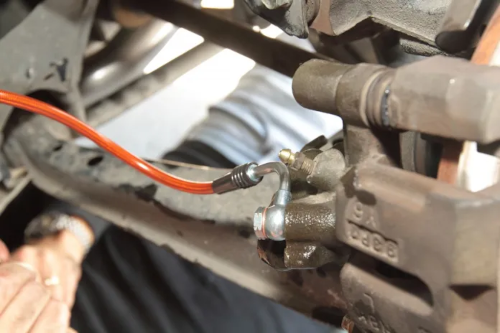
Brake Line Replacement: Step-by-Step Guide
The brake line replacement procedure is a crucial maintenance task that every vehicle owner should understand. Whether you're a professional mechanic or a DIY enthusiast, knowing how to properly perform this procedure can save you time and money while ensuring your vehicle operates at peak performance. This comprehensive guide will walk you through everything you need to know about brake line replacement, from understanding the basics to performing the procedure safely and effectively. 1. Unders
October 28, 2025
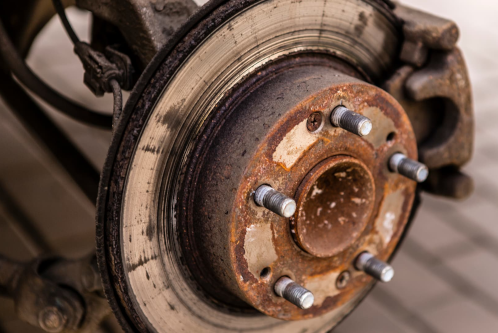
Brake Rotor Resurfacing: Complete Guide
The brake rotor resurfacing procedure is a crucial maintenance task that every vehicle owner should understand. Whether you're a professional mechanic or a DIY enthusiast, knowing how to properly perform this procedure can save you time and money while ensuring your vehicle operates at peak performance. This comprehensive guide will walk you through everything you need to know about brake rotor resurfacing, from understanding the basics to performing the procedure safely and effectively. 1. Unde
October 20, 2025
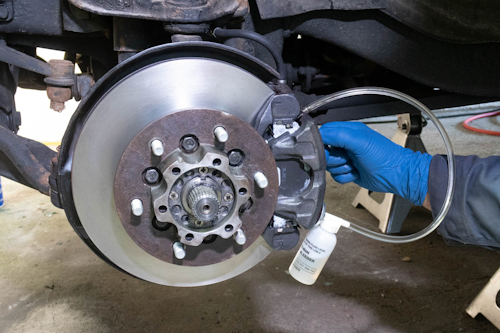
Brake Bleeding: Step-by-Step Guide and Common Mistakes
Bleeding the brakes is one of the most important maintenance procedures in any vehicle. It ensures that your braking system is free of air bubbles and filled with fresh brake fluid, providing optimal stopping power. Whether you’re working in a professional garage or at home, knowing how to properly bleed your brakes — manually or with a pressure device — will keep your vehicle safe and responsive. Why Brake Bleeding Is Necessary Brake fluid transfers force from the pedal to the brake calipers. H
September 18, 2025
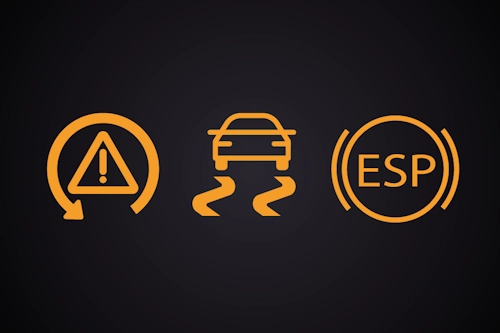
ABS, ESP and Other Driver Aids: How They Affect Brake System Maintenance — What Mechanics and Owners Need to Know
Short summary: Modern vehicles integrate Anti-lock Braking Systems (ABS), Electronic Stability Programs (ESP/ESC), Traction Control (TCS) and related driver aids deeply into the braking system. These systems improve safety, but they also change how brakes are diagnosed, serviced and maintained. This article explains the technical interactions, step-by-step maintenance implications, practical diagnostics, and owner-facing advice. Why braking electronics matter ABS, ESP and allied systems are not