

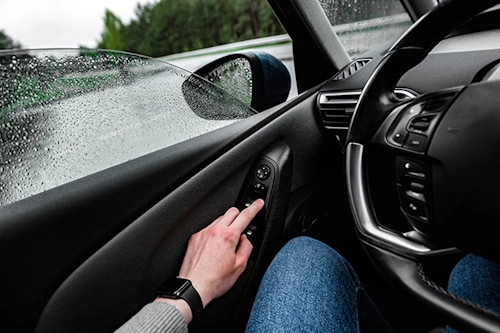
Understanding Your Vehicle's Power Window System
Power windows are one of those modern conveniences we rarely think about—until they stop working. A malfunctioning car window isn't just an inconvenience; it can compromise your vehicle's security, expose you to the elements, and even fail safety inspections in some states. The power window system is a complex interplay of electrical and mechanical components, including switches, motors, regulators, and safety mechanisms. Understanding how these components work together is the first step in diagnosing problems effectively.
When a window stops responding, many owners immediately fear an expensive repair bill. While some issues do require professional attention, many common problems can be resolved with basic troubleshooting that won't break the bank. This guide will walk you through the step-by-step process of diagnosing window issues, understanding what each symptom indicates, and determining whether it's a fix you can handle yourself or one that requires expert intervention.
Common Power Window Issues and Their Solutions
🔍 1. Electrical Problems: Fuses and Switches
The first area to investigate when any electrical component fails is the fuse box. Power windows are typically protected by dedicated fuses that can blow due to power surges or electrical faults. Locate your vehicle's fuse panel (consult your owner's manual for its position, as it may be under the dashboard, in the glove compartment, or under the hood), identify the window circuit fuse, and inspect it for signs of damage or discoloration.
If you find a blown fuse, replace it with one of identical amperage—never substitute with a higher-amp fuse, as this creates a serious fire hazard. If the new fuse blows immediately, you likely have a deeper electrical issue that requires professional diagnosis.
Next, examine the power window switch. These switches endure constant use and eventually wear out. Telltale signs of a faulty switch include:
- Window operates in one direction but not the other
- Other windows work fine from the master control
- No clicking sound or tactile feedback when pressing the button
You can test switch functionality by turning on your headlights or cabin lights and engaging the window switch. If the lights don't dim slightly when you operate the switch, it may indicate a faulty switch not drawing power. Replacing a window switch is generally straightforward, though some vehicles may require door panel removal.
💡
Pro Tip: Before replacing any components, try cleaning the switch contacts with electrical contact cleaner. Sometimes oxidation buildup is the real culprit.
⚙️ 2. Mechanical Failures: Motors and Regulators
When electrical components check out, the problem likely lies in the mechanical system. The window motor is the workhorse that provides the actual power to move the glass up and down. To test the motor, listen carefully when operating the switch—if you hear a faint humming or grinding noise but no movement, the motor might be receiving power but failing to operate.
Another test is to engage the window switch while observing your vehicle's interior lights. If the lights dim significantly but the window doesn't move, this suggests power is reaching a motor that's likely defective. Replacing a window motor typically requires removing the door panel and accessing the motor assembly, a repair that many DIY enthusiasts can handle with proper guidance.
The window regulator is the mechanical assembly that converts the motor's rotational energy into the linear motion needed to raise and lower the window. Regulators can fail due to worn cables, broken plastic rollers, or bent tracks. Signs of regulator failure include:
- Window moves unevenly or jams at certain points
- Glass falls down into the door
- Strange crunching or snapping sounds during operation
Regulator replacement is typically more involved than motor replacement and may require special tools, but it's often within the capabilities of a determined home mechanic.
⚠️
Safety First: Always disconnect the vehicle's battery before working on power window components to prevent accidental operation or electrical shorts.
🛡️ 3. Safety Systems and Miscellaneous Issues
Modern vehicles incorporate safety mechanisms that can sometimes malfunction and cause window operation issues. The child safety lockout switch, usually located on the driver's door panel, disables operation of passenger windows when engaged. It's surprisingly easy to accidentally activate this switch, so always check this simple solution before assuming worse problems.
Many newer vehicles also feature anti-pinch technology that automatically reverses window movement if it detects an obstruction. If this system malfunctions or loses calibration, it may prevent normal window operation. Resetting the system often requires a specific sequence of switch operations detailed in your vehicle's owner manual.
Environmental factors can also impact window operation. In cold weather, lubricants thicken and can cause windows to move sluggishly. In extreme heat, electrical components may overheat and temporarily malfunction. Moisture intrusion into door panels can cause corrosion of electrical connections and mechanical components, leading to premature failure.
DIY Repair Guide: Step-by-Step Troubleshooting
1️⃣
Step 1: Initial Assessment
- Determine whether the issue affects one window or multiple windows
- Test operation from both the master switch and the affected door's switch
- Listen for unusual sounds when attempting to operate the window
2️⃣
Step 2: Electrical Checks
- Locate and inspect the relevant fuse
- Test switch functionality with a multimeter if available
- Check for power at the window motor connector
3️⃣
Step 3: Mechanical Inspection
- Remove the door panel to access internal components
- Inspect the regulator assembly for obvious damage
- Test the motor with direct power (using jumper wires) if suspected faulty
4️⃣
Step 4: Component Replacement
- Replace faulty components with OEM or quality aftermarket parts
- Ensure proper alignment of the glass during reassembly
- Test operation before fully reassembling the door panel
5️⃣
Step 5: Final Testing
- Reconnect the battery and test window operation multiple times
- Check for proper sealing against weather elements
- Verify that safety features like anti-pinch protection work correctly
Common Power Window Problems and Solutions
| Problem Symptom | Likely Cause | DIY Difficulty | Estimated Cost |
|---|---|---|---|
| Window doesn't move, no sound | Blown fuse, faulty switch, or wiring issue | Easy | $20-$250 |
| Window doesn't move, but motor hums | Broken regulator or disconnected linkage | Moderate | $150-$400 |
| Window moves slowly or unevenly | Binding mechanism or weak motor | Moderate | $100-$300 |
| Window only works from one switch | Faulty switch or wiring between switches | Easy to Moderate | $50-$200 |
| Window falls down into door | Broken regulator or mounting hardware | Moderate to Difficult | $200-$500 |
When to Seek Professional Help
While many power window issues can be resolved at home, some situations warrant professional assistance:
- Complex electrical issues: If you've replaced fuses and switches but still experience problems, there may be a deeper electrical fault that requires advanced diagnostic equipment.
- Airbag proximity: Many door panels contain side airbags that can be dangerous if improperly handled. Unless you're experienced with these systems, it's safer to leave such repairs to professionals.
- Window calibration: Newer vehicles with anti-pinch technology and one-touch operation often require specialized calibration procedures after component replacement.
- Warranty concerns: If your vehicle is still under warranty, attempting DIY repairs may void coverage for related components.
Professional auto glass services offer power window repair with trained technicians, quality parts, and nationwide warranties. The average cost for professional power window repair typically ranges from $150-$400, depending on the vehicle and specific problem.
Preventive Maintenance Tips
Regular maintenance can extend the life of your power window system and prevent common failures:
- Regular lubrication: Use silicone-based lubricants on window tracks and regulator mechanisms to reduce wear and prevent binding.
- Weatherstrip care: Keep window weatherstripping clean and conditioned to prevent excess strain on the motor.
- Electrical connection protection: Periodically apply electrical contact cleaner to switch connections to prevent corrosion.
- Avoid excessive force: Don't force windows when they're frozen shut; instead, thaw the seal first with de-icer or warm water.
- Operate windows regularly: Even in seasons when windows are typically closed, operate them periodically to prevent mechanical components from seizing.
Temporary Solutions for Emergency Situations
When a window fails in the down position and you can't immediately repair it, temporary solutions can secure your vehicle:
- Manual raising: For power windows, you can sometimes manually raise the glass by carefully pulling up while an assistant operates the switch.
- Wedge support: A small rubber or plastic wedge can hold the window in place temporarily.
- Temporary window film: Available at auto parts stores, temporary window kits provide a clear plastic barrier that adheres to the window frame.
Conclusion: Empowerment Through Understanding
Power window problems range from simple fixes like replacing a $5 fuse to more complex mechanical repairs costing hundreds of dollars. By understanding how your power windows work and methodically troubleshooting issues, you can often diagnose and even repair problems yourself, saving significant money in the process. More importantly, understanding these systems makes you an informed consumer who can knowledgeably discuss issues with repair professionals when necessary.
Remember that safety should always be your priority—both your personal safety during repairs and the security of your vehicle afterward. A properly functioning power window system isn't just about convenience; it's an integral part of your vehicle's security and weather protection systems. With the knowledge from this guide, you're better equipped to maintain these systems effectively and address problems when they arise.